
 Click main image to view in full screen. Unlock all 28 preview images:
ISO 19011:2018 (Auditing Management Systems) Training – PowerPoint PPTX Template
PowerPoint (PPTX) 129 Slides


BENEFITS OF THIS DOWNLOADABLE POWERPOINT DOCUMENT
- Provides a framework for companies to plan and conduct internal or external audits of management systems or manage an audit program.
- Provides guidance on combined management system audits.
- Provides a tool for training your internal auditors on the latest ISO 19011:2018 standard.
AUDIT MANAGEMENT PPT TEMPLATE DESCRIPTION
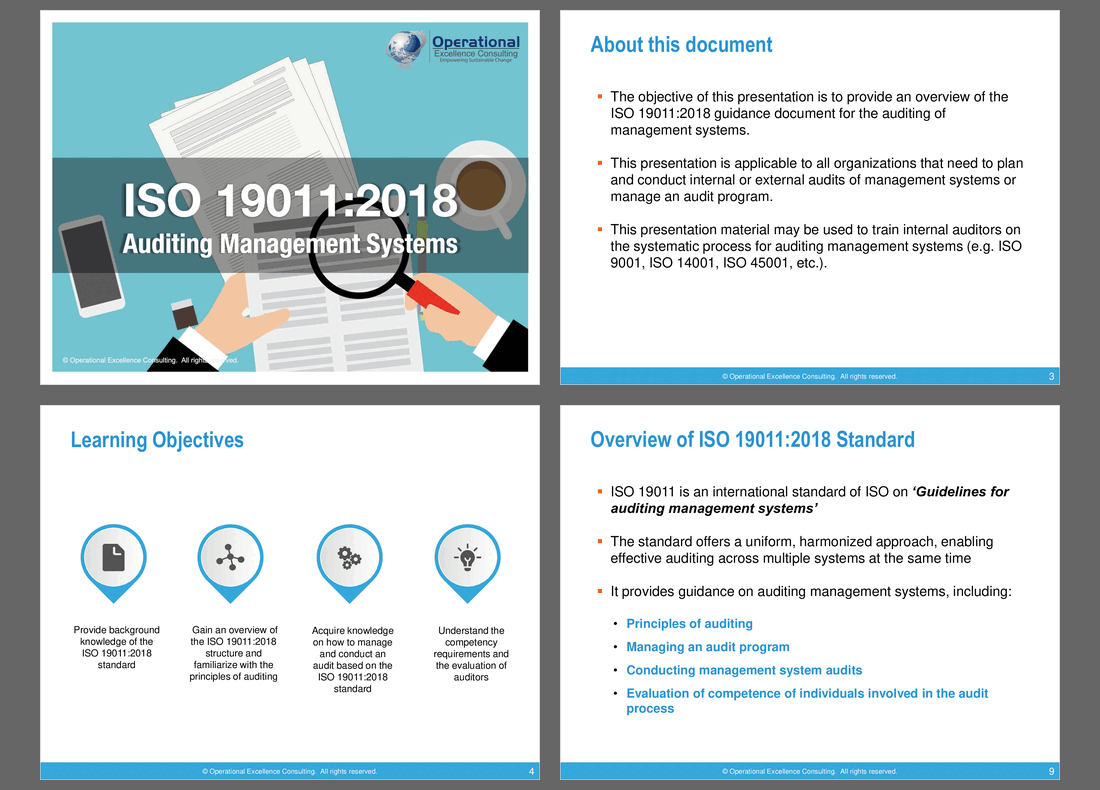
The ISO 19011:2018 standard offers guidance on auditing management systems, covering principles of auditing, managing an audit program, conducting management system audits, and evaluating the competence of individuals involved in the audit process. This standard is applicable to all organizations that need to plan and conduct internal or external audits of management systems or manage an audit program.
The ISO 19011:2018 presentation material is designed to help organizations train their internal auditors on the systematic process for auditing management systems, such as ISO 9001, ISO 14001, and ISO 45001. The training covers the structure and principles of auditing, as well as guidance on managing and conducting audits in accordance with the ISO 19011:2018 standard. Additionally, the training provides information on the competency requirements for auditors and how to evaluate their competence.
By the end of this training, participants will have gained background knowledge of the ISO 19011:2018 standard, as well as an understanding of its structure and principles of auditing. They will also have acquired knowledge on how to manage and conduct audits in line with the ISO 19011:2018 standard and have an understanding of the competency requirements and evaluation of auditors. Overall, this training is aimed at ensuring that auditors are equipped to conduct effective management system audits that help organizations meet their goals and objectives.
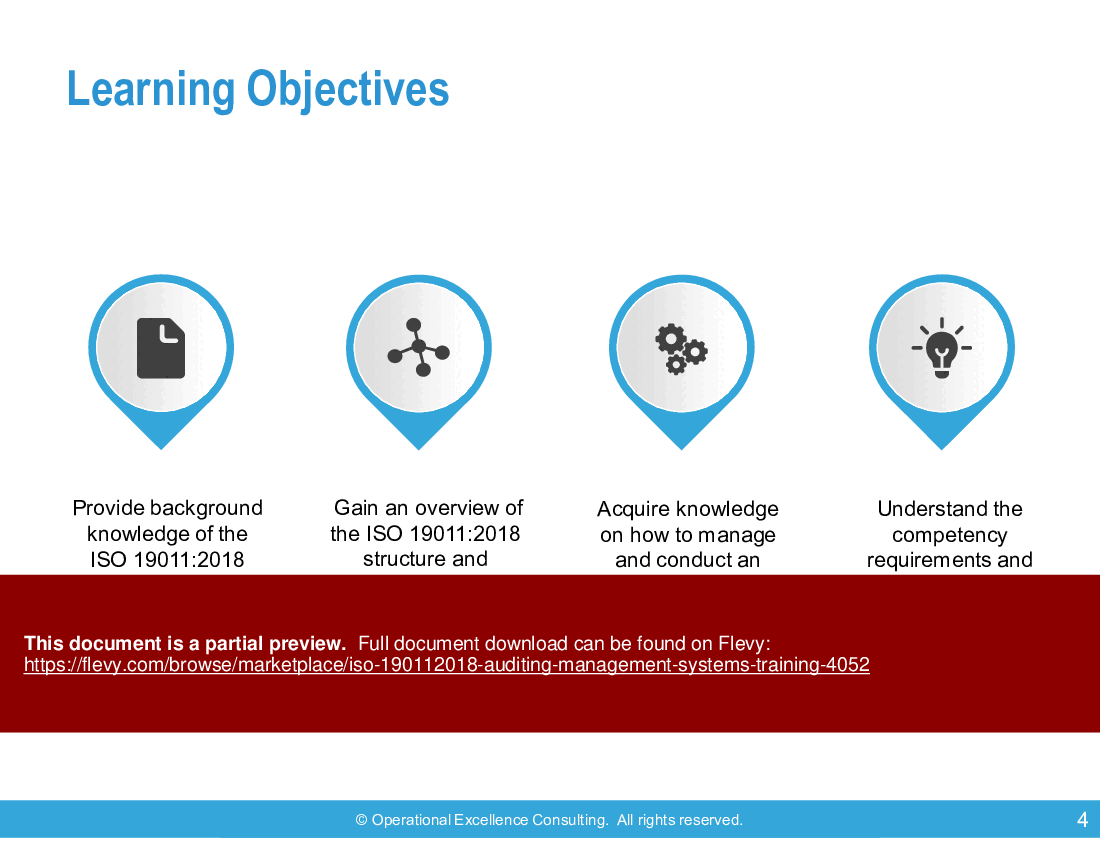
Learning Objectives:
1. Provide background knowledge of the ISO 19011:2018 standard.
2. Gain an overview of the ISO 19011:2018 structure and familiarize with the principles of auditing.
3. Acquire knowledge on how to manage and conduct an audit based on the ISO 19011:2018 standard.
4. Understand the competency requirements and the evaluation of auditors.
Contents:
1. Introduction to ISO 19011:2018
• About ISO
• Overview of ISO 19011:2018 standard
• Development of ISO 19011
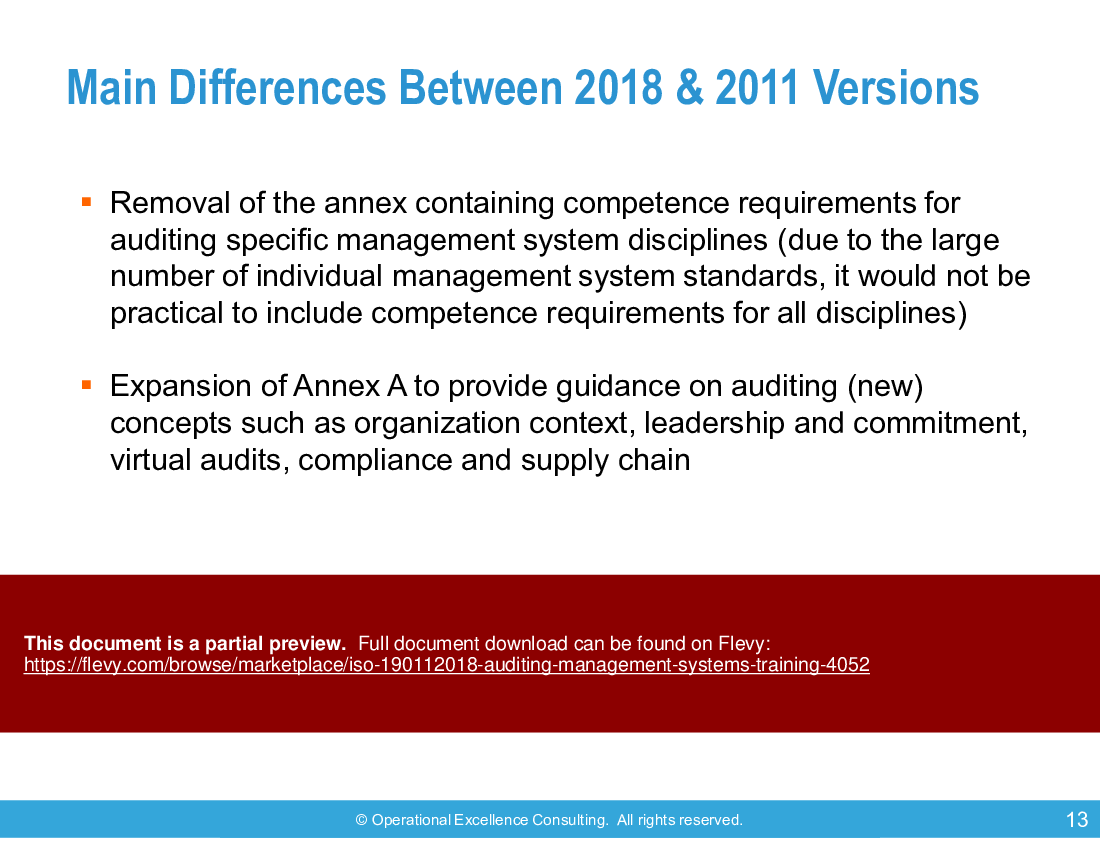
• Main differences between 2018 & 2011 Versions
• Structure of ISO 19011:2018
• ISO 19011:2018 clause structure (5, 6 & 7)
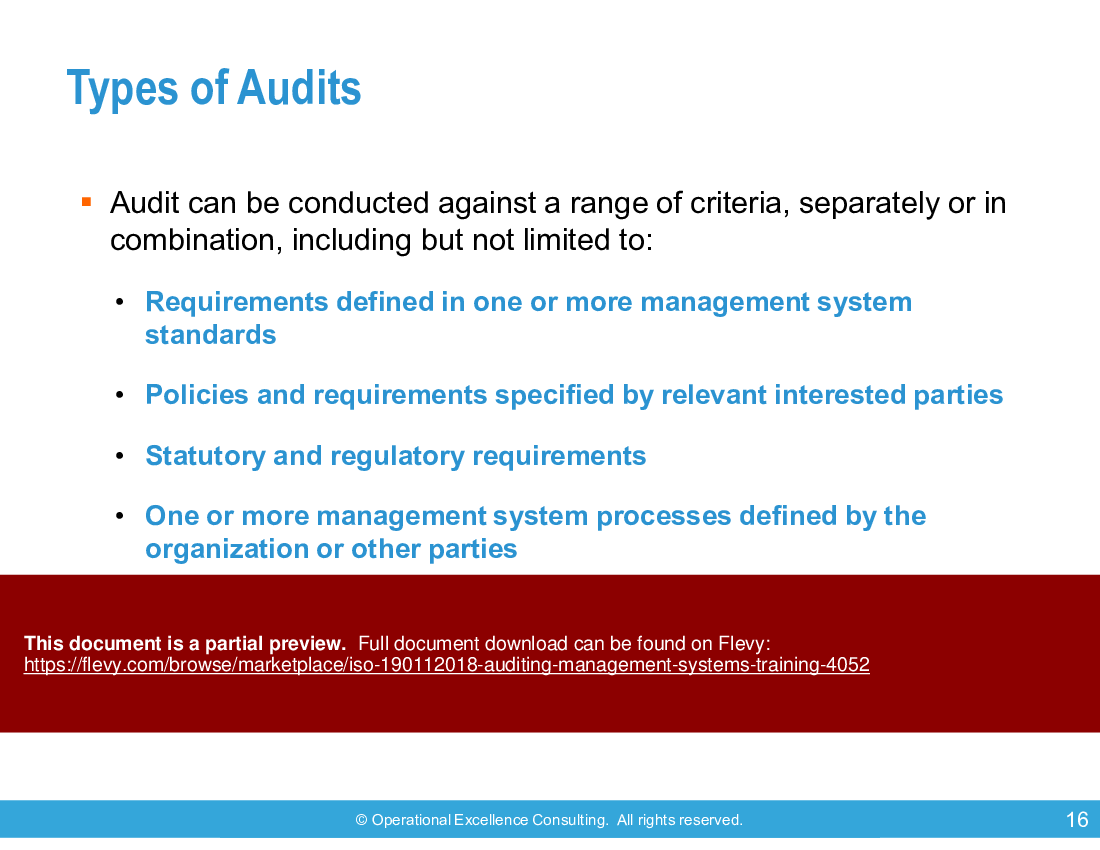
• Type of audits
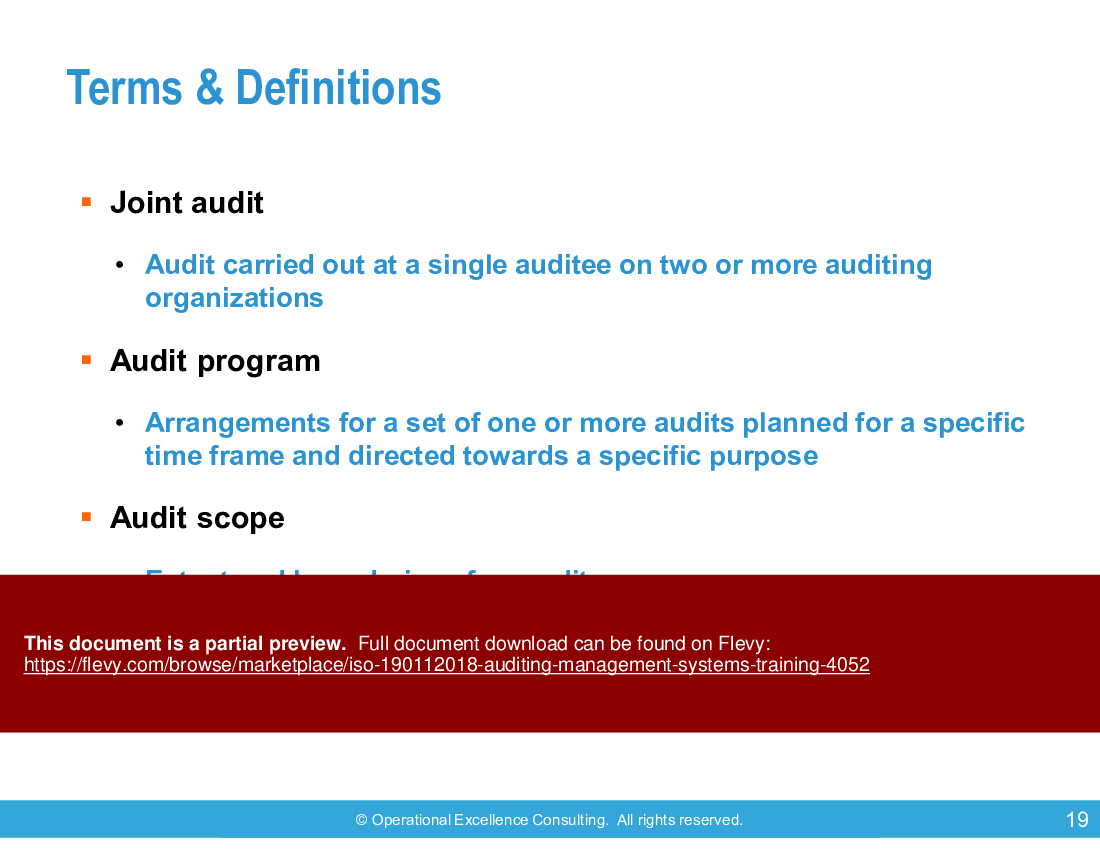
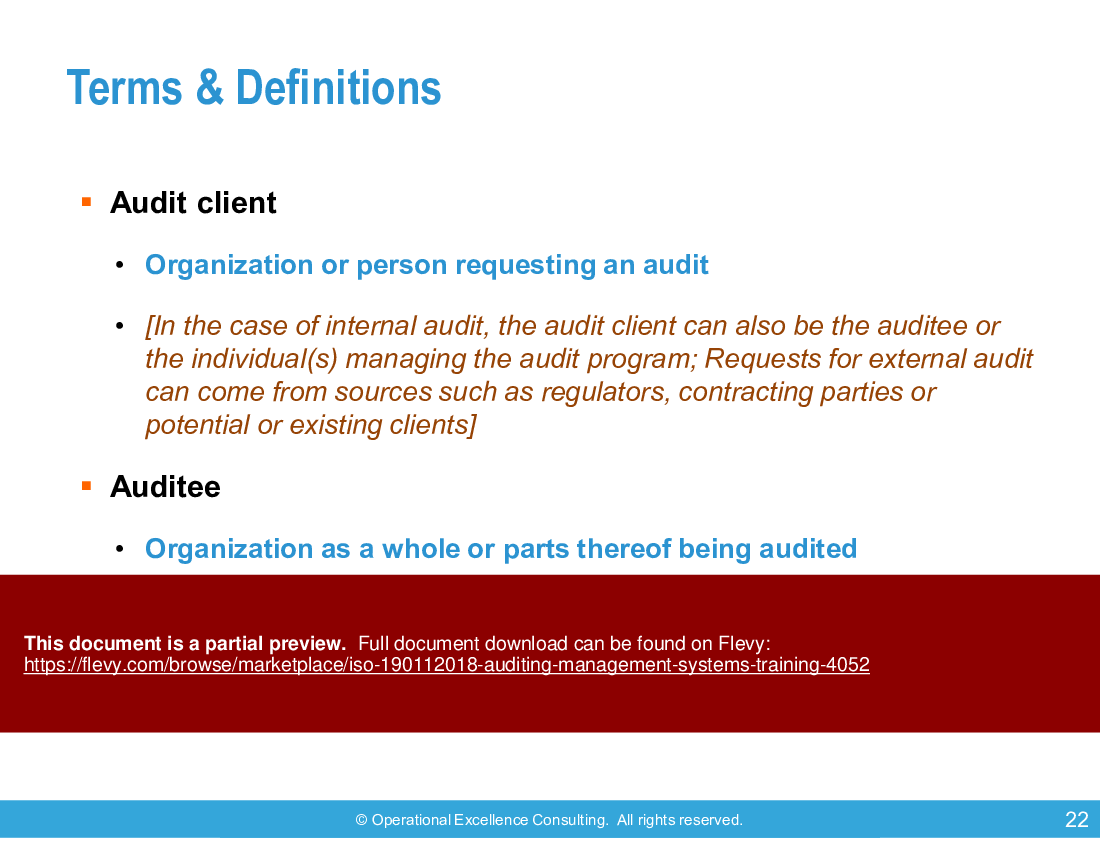
• Terms & definitions
2. Principles of Auditing
• Integrity
• Fair presentation
• Due professional care
• Confidentiality
• Independence
• Evidence-based approach
• Risk-based approach
3. Managing an Audit Program
• General
• Establishing audit program objectives
• Determining and evaluating audit program risks and opportunities
• Establishing the audit program
• Implementing audit program
• Monitoring audit program
• Reviewing and improving audit program
4. Conducting an Audit
• General
• Initiating audit
• Preparing audit activities
• Conducting audit activities
• Preparing and distributing audit report
• Completing audit
• Conducting audit follow-up
5. Competence & Evaluation of Auditors
• General
• Determining auditor competence
• Establishing auditor evaluation criteria
• Selecting appropriate auditor evaluation method
• Conducting auditor evaluation
• Maintaining and improving auditor competence
Appendix
• ISO 19011:2018 Detailed Clause Structure
This training material delves into the intricate details of managing audit programs, including establishing objectives, determining resources, and maintaining records. It also provides comprehensive guidance on conducting audits, from initiating contact with the auditee to preparing and distributing audit reports.
Got a question about the product? Email us at support@flevy.com or ask the author directly by using the "Ask the Author a Question" form. If you cannot view the preview above this document description, go here to view the large preview instead.
PRESENTATION DEEP DIVE ANALYSIS
This deep-dive analysis was generated from the full 129-slide PowerPoint presentation.
Source: Best Practices in Audit Management, ISO 19011 PowerPoint Slides: ISO 19011:2018 (Auditing Management Systems) Training PowerPoint (PPTX) Presentation Slide Deck, Operational Excellence Consulting
ABOUT THE AUTHOR

Operational Excellence Consulting, founded in 2009 by Allan Ung, draws from extensive experience at Microsoft, IBM, and Underwriters Laboratories (UL). We specialize in strategy deployment, customer experience design, and operational excellence, applying Design Thinking, Lean, and Systems Thinking to maximize customer value and minimize waste.
Our
... [read more]
Ask the Author a Question
You must be logged in to contact the author.